The Real Story of Masala Chai
Ayurveda, railway platforms and family kitchens, where masala chai actually comes from, and why it's so much more than 'chai tea'.
By Chef Dipna Anand
First, a gentle note: 'chai' simply means 'tea'. So 'chai tea' means 'tea tea'. What most people picture, that fragrant, spiced, milky cup, is masala chai: 'spiced tea'. Getting the name right is the first step to respecting the drink.
Roots in Ayurveda
Long before tea reached the blend, Indian households drank kadha, warm spiced infusions of ginger, cardamom, cinnamon, clove and pepper, prized in Ayurveda for digestion and warmth. When affordable Assam tea arrived, those same spices found a new home in the teapot. Masala chai is, at its heart, a wellness drink that happens to be delicious.
The railway years
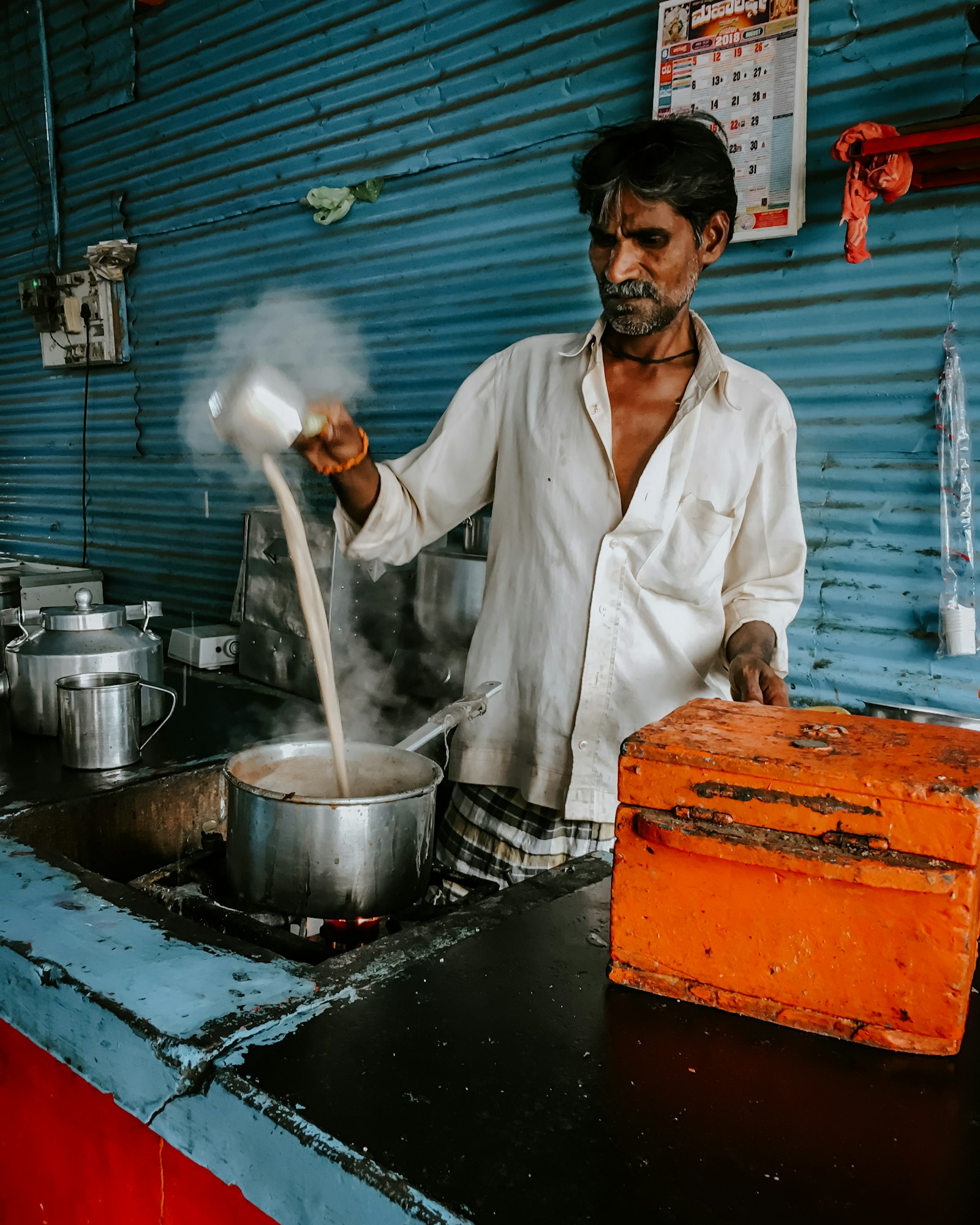
India's railways did for chai what motorways did for the service-station coffee. Chaiwallas worked the platforms, brewing tea, milk, sugar and spice together in huge simmering pots and serving it in little clay cups called kulhads. Fast, cheap and restorative, this is the masala chai most of us recognise today.
Every family, a recipe
There is no single 'correct' masala chai. Ours leans on cardamom and cinnamon with a whisper of pepper for lift, the balance my family has poured for three generations. That's the beauty of it: chai is personal, and the recipe is really a story you can taste.
Fancy a cup?
Explore our four signature flavours and bring restaurant-quality chai home.
Shop the range